2026-10-12 ·
How to Flush Sediment from a Water Heater in Massachusetts Homes
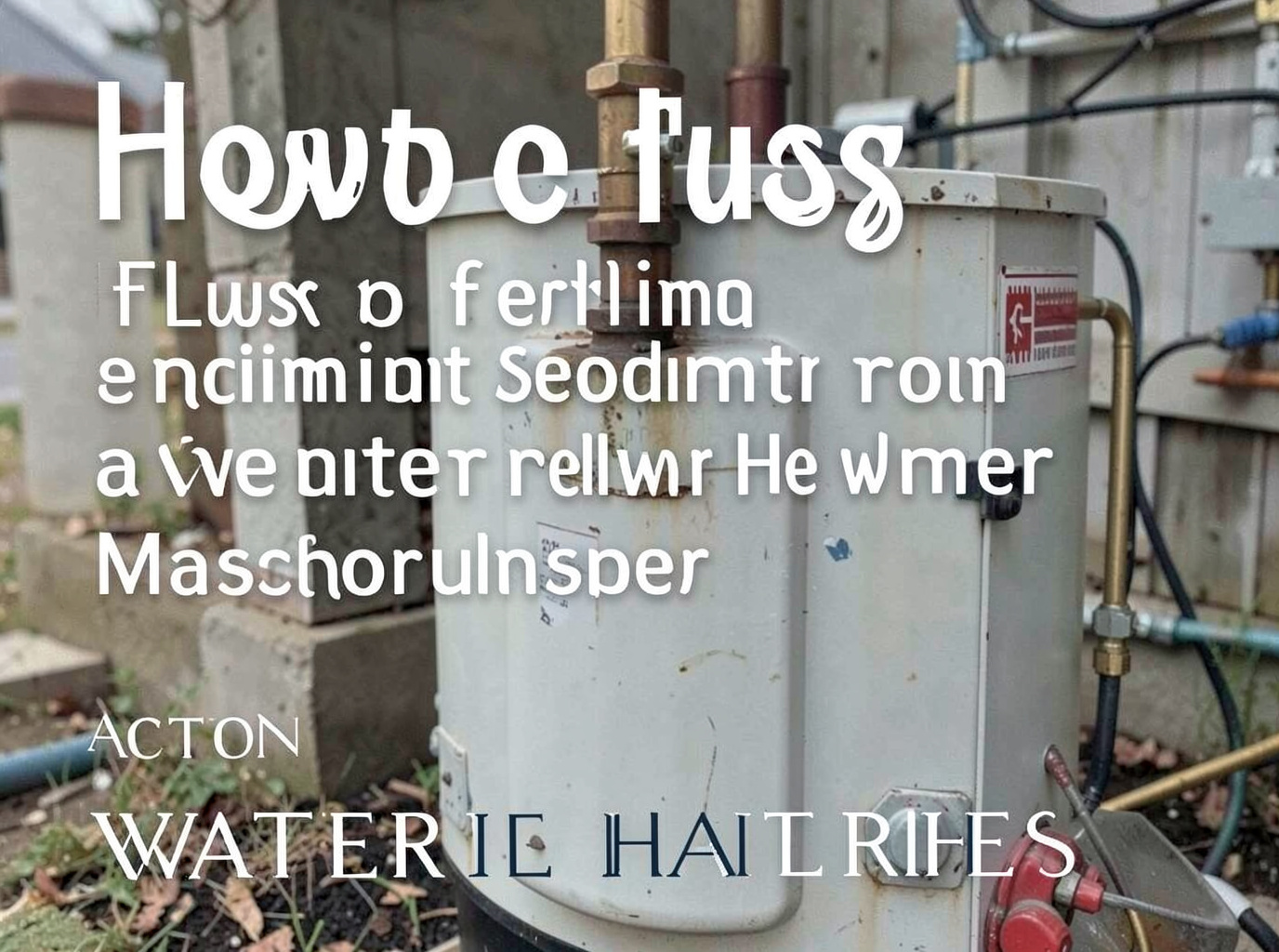
Flushing sediment from a water heater in Acton homes requires shutting off power or gas, attaching a hose to the drain valve, and running cold water through the tank for 20–40 minutes until the outflow runs clear. This process restores efficiency in homes throughout Acton Center, West Acton, South Acton, and East Acton where hard water and cold winters accelerate mineral buildup.
Why Sediment Accumulates Faster in Middlesex County
Acton sits in a humid continental climate with cold winters that force water heaters to work harder during freeze periods. Older housing stock in neighborhoods near the Great Road Historic District and Acton Arboretum often contains 40- to 80-gallon tanks installed 8–12 years ago. Minerals from local water supplies settle at the bottom of these tanks, insulating the heating element and raising energy use. Nearby Concord, Littleton, and Boxborough share the same soil and water conditions that increase sediment rates compared to newer developments.
Annual flushing before temperatures drop prevents the sediment layer from hardening during winter. Homeowners who skip this step notice lukewarm water or rumbling sounds by February. The process also extends tank life in properties where replacement costs run higher due to access challenges in historic districts.
Tools and Safety Steps Before Starting
Gather a garden hose long enough to reach an outdoor drain, a flathead screwdriver, gloves, and a bucket. Turn off the power at the breaker for electric models or the gas valve for gas units. Close the cold water inlet valve at the top of the tank. Allow the water inside to cool for at least two hours to avoid scalding. These steps apply to both tank-style units common in Acton Center and the few tankless systems found in newer West Acton builds.
Position the hose on the drain valve at the bottom of the tank and secure it with a clamp if needed. Open a hot water faucet on the second floor to relieve pressure. Never attempt this on a unit showing active leaks or corrosion around the anode rod.
Step-by-Step Sediment Flushing Process
Open the drain valve slowly and let the first few gallons flow into the bucket to check for heavy rust or debris. Once flow stabilizes, open the cold water inlet slightly to create a flushing action that stirs sediment from the tank bottom. Continue until the water runs clear, typically 20–40 minutes for a 50-gallon tank. Close the drain valve, remove the hose, and refill the tank by opening the inlet valve while keeping the upstairs faucet open until air stops sputtering.
Restore power or gas only after confirming the tank is full. Run hot water at multiple fixtures to purge remaining air. In Acton homes with well water or older galvanized piping, repeat the flush twice in the first year to clear legacy buildup.
Timing Flushes Around Acton Winters
Schedule flushing in October or early November before Preventing Frozen Pipes on Water Heaters During Acton Winters become a concern. Cold ground temperatures in Middlesex County make post-flush refilling slower and increase the risk of thermal shock if done during deep freezes. Summer flushes work for routine maintenance but miss the heavy sediment that settles during peak winter heating cycles.