2026-10-12 ·
Preventing Frozen Pipes on Water Heaters During Acton Winters
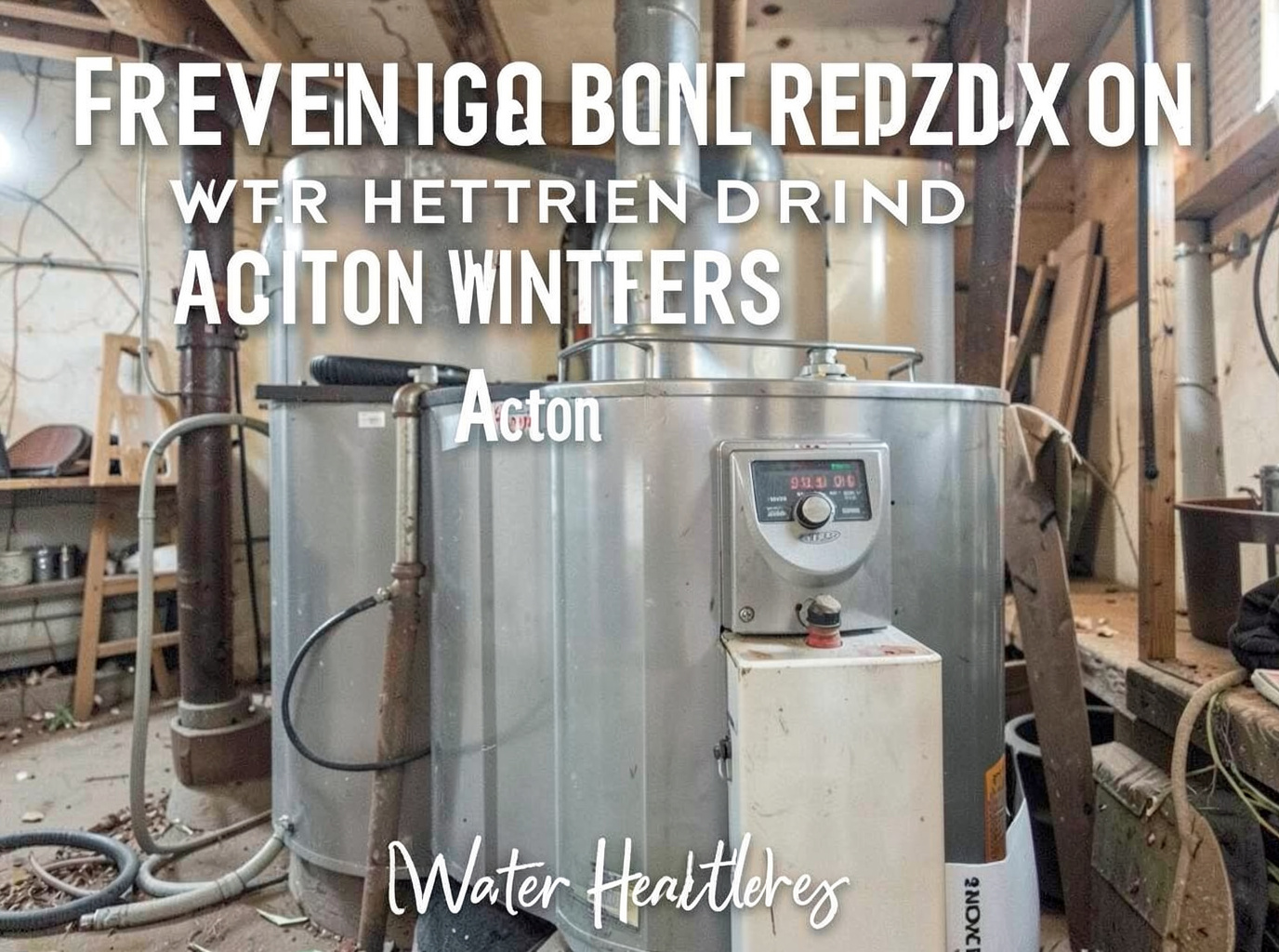
Acton winters with their humid continental climate often dip below freezing for days at a time, and the most effective way to prevent frozen pipes on water heaters is to maintain steady indoor temperatures above 55°F while insulating all exposed lines near the unit. Homes in Acton Center and West Acton built before 1980 frequently have water heaters in unheated basements or crawl spaces where overnight lows reach 10°F or lower, making pipe protection essential. Nearby Concord and Littleton share the same terrain and soil conditions that allow cold air to penetrate foundation walls faster than in flatter regions.
Recognizing Acton-Specific Freeze Risks
Middlesex County homes in East Acton and South Acton sit on rolling terrain that channels cold air into lower levels where water heaters are commonly installed. Older housing stock here often features 40-gallon and 50-gallon tanks with copper or galvanized supply lines running along exterior walls or through uninsulated utility rooms. When temperatures drop for consecutive nights, standing water in those lines expands and can split fittings or crack the tank inlet. Residents in Boxborough and Littleton report similar issues each January because the same cold air patterns affect both areas. Checking pipes at the start of November before the first hard freeze gives time to add protection without rushing during a storm.
Insulating Pipes Around the Water Heater
Start by wrapping all exposed supply and return lines within 6 feet of the water heater using 1/2-inch foam pipe insulation rated for temperatures down to 0°F. In Acton Center homes the water heater is often located near the foundation, so pay special attention to vertical runs that pass through unheated spaces. Secure the insulation with zip ties every 12 inches and seal any gaps at elbows with foil tape to block drafts. For homes in Great Road Historic District properties where original plumbing remains, add an extra layer of fiberglass wrap on the first 3 feet above the tank to handle the extra heat loss through older masonry. This step alone reduces freeze risk significantly during the 8–12 weeks of sustained cold each winter.
Maintaining Heat and Airflow in Utility Spaces
Keep the area around the water heater at least 10°F warmer than the outside temperature by leaving basement doors open slightly or installing a small thermostatically controlled heater set to 50°F. In West Acton and South Acton many homes have water heaters sharing space with laundry equipment; running the dryer on cold nights adds useful warmth without extra cost. Avoid closing off vents entirely because trapped moisture can lead to other issues, but block direct drafts from windows or exterior doors with weather stripping. Regular Water Heater Maintenance visits can identify draft paths that homeowners miss during routine checks.
Knowing When to Schedule Water Heater Repair
If you notice reduced flow or hear gurgling after a cold snap, shut off the water supply immediately and call for Water Heater Repair rather than attempting to thaw lines yourself. Acton winters have produced cases where frozen inlet pipes led to tank pressure buildup that required full Water Heater Replacement in homes over 30 years old. Technicians familiar with Middlesex County conditions can also check the anode rod and temperature settings during the same visit. For context on typical expenses, see What Influences Water Heater Repair Costs in Acton.
Seasonal Sediment Checks That Protect Pipes
Sediment buildup at the tank bottom reduces heat transfer and leaves cooler water sitting in pipes longer, increasing freeze potential. Perform a flush in late October using the steps outlined in How to Flush Sediment from a Water Heater in Massachusetts Homes to keep the system efficient through March. In Acton homes with hard water from local aquifers, this task prevents the extra layer of scale that makes pipes more brittle when temperatures fall. Schedule the flush during daylight hours when outdoor temperatures are still above freezing so any residual water drains safely.